
Last updated October 17, 2026
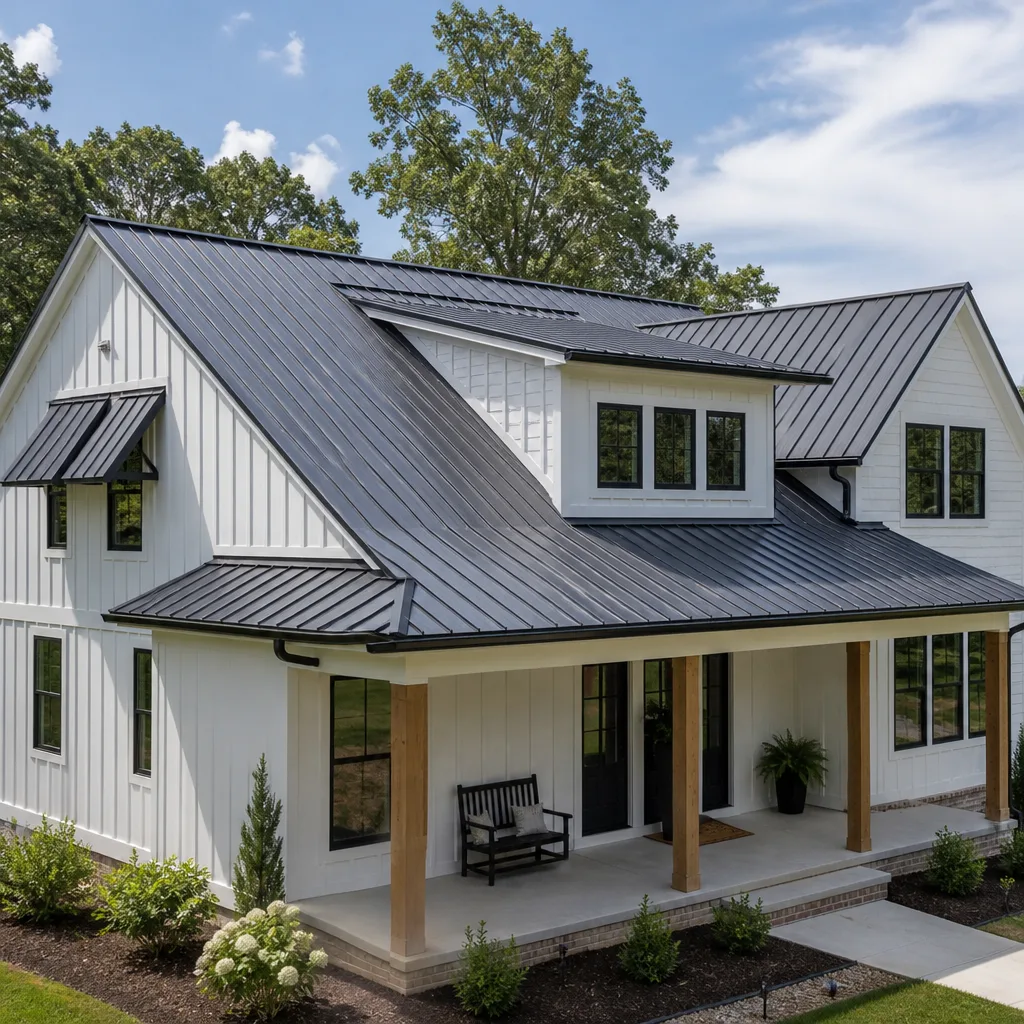 Metal roofing
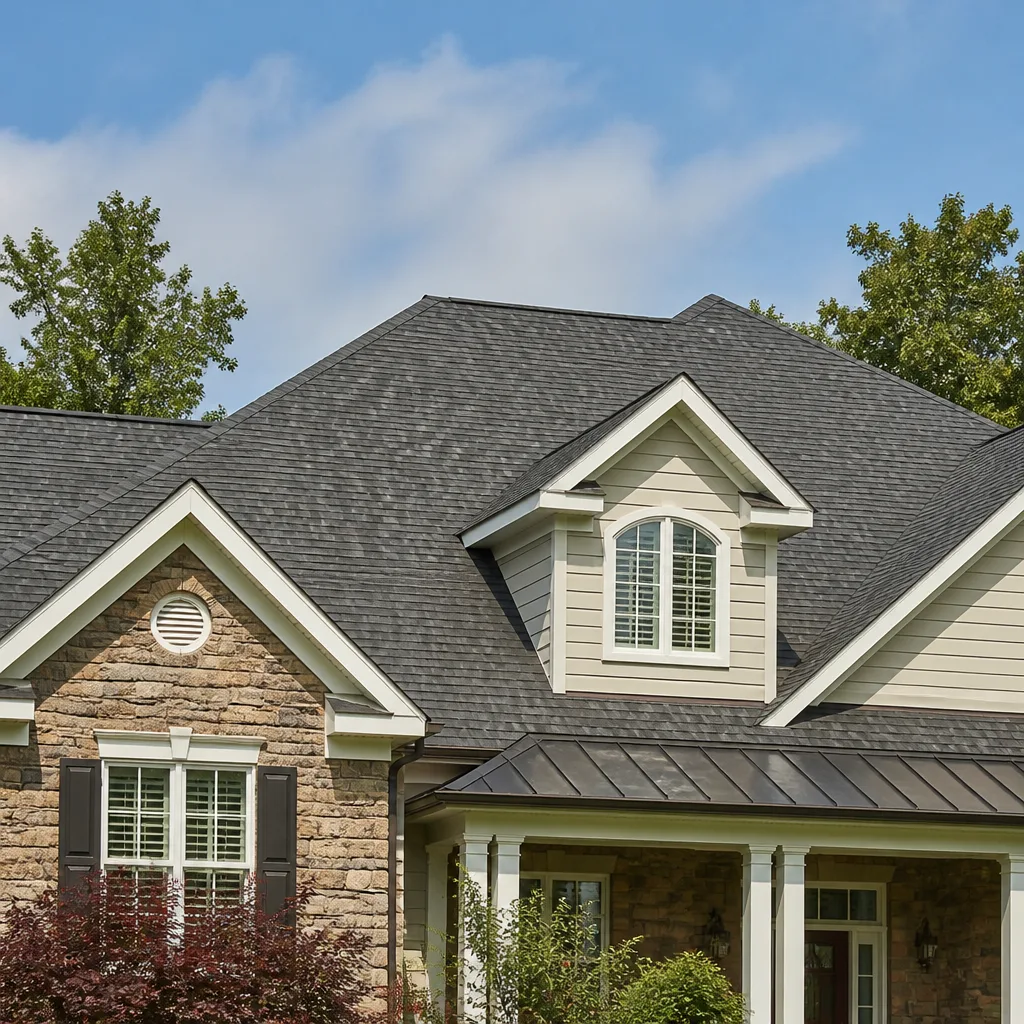 Architectural shingles
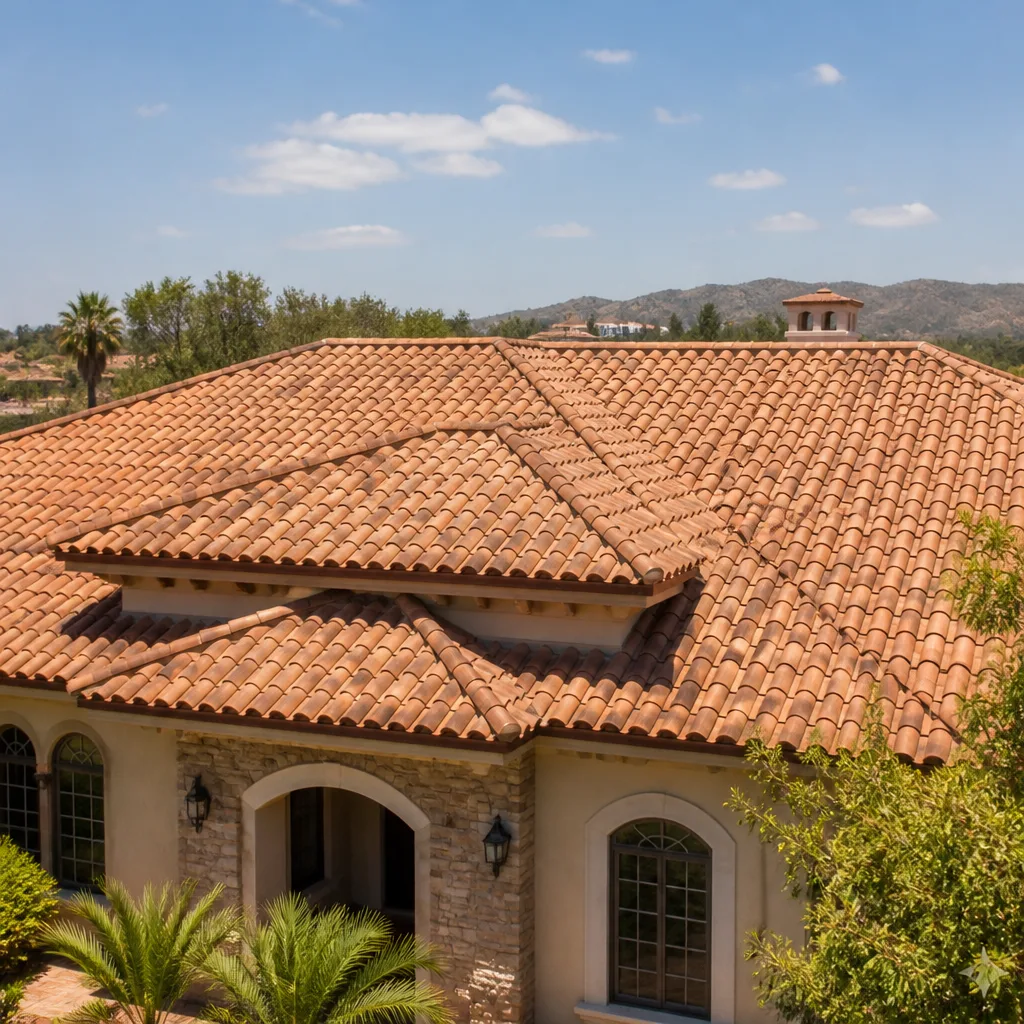 Tile roofing
 GAF
GAF Owens Corning
 Flat & low-slope
Free roof inspection with deck photos before we talk money - GAF and Owens Corning certified installation
How to Hire a Roofing Contractor in Fresno: A Step-by-Step Guide
California’s Contractors State License Board (CSLB) logs dozens of roofing complaints from Fresno County every year, and the pattern rarely changes: a verbal quote, a handshake, a crew that shows up late, and a final bill that looks nothing like the original number. The most telling part? Most of those complaints start the same way, with a homeowner who needed work done quickly after a storm and skipped the verification steps that would have caught the problem on day one. This guide gives you a repeatable hiring process, built around the realities of the Fresno roofing market, so the contractor you choose is one you can hold accountable in writing. For more guides & resources, visit our blog.
Styles & brands we work with
Quick Answer
To hire a roofing contractor in Fresno, verify the license number on the CSLB website, require a written contract that lists scope, materials by brand and grade, payment schedule, and warranty terms, and get at least three written bids before comparing them line by line. Avoid verbal-only quotes, door-knockers after storms, and any contractor who asks for a large cash deposit before work begins. A legitimate Fresno roofer will put the full price on paper before the first shingle comes off.
Table of Contents
- Step 1: Verify the License and What It Actually Covers
- Step 2: Require a Written Contract With Specific Language
- Step 3: Compare Three Bids Using a Line-by-Line Normalization Method
- Step 4: Recognize Red Flags Specific to the Fresno Market
- Step 5: Read the Workmanship Guarantee Before You Sign
- Step 6: Account for Fresno’s Climate When Choosing Materials
- Common Mistakes to Avoid
- When to Call a Professional
- Frequently Asked Questions
- The Bottom Line
Step 1: Verify the License and What It Actually Covers
Every roofing contractor operating legally in Fresno must hold a C-39 roofing license issued by the California Contractors State License Board. The verification takes under three minutes, and it is the single most effective filter you have before anyone climbs a ladder. Go to the CSLB website, enter the contractor’s name or license number, and check three things: the license status says “active,” the classification reads C-39, and the bond and workers’ compensation insurance are current.
A C-39 license covers roofing and waterproofing work specifically. A general building contractor license (B) is not the same thing, and a handyman with no license at all is not someone you want replacing underlayment on a Fresno roof that endures 100-degree summers. An active license means the contractor has passed the required trade exam, carries a contractor bond, and has workers’ comp on file with the state, which protects you from liability if a worker gets hurt on your property.
Here is the step-by-step verification, in order:
- Open the CSLB’s “Check a License” page on a computer or phone.
- Enter the contractor’s name exactly as it appears on the business card or estimate.
- Confirm the license number matches the one printed on the estimate and any contract.
- Check the “License Status” field. It must say “Active.” Suspended, expired, or revoked means stop right there.
- Check the classification. It must be C-39 Roofing, not B, not A, not anything else.
- Scroll to the insurance section. Workers’ compensation must be listed as current. Without it, an injured worker can file a claim against your homeowner’s insurance.
We run this same check on our own paperwork because in Fresno, the difference between a licensed roofer and an unlicensed one is the difference between a state-backed complaint process and a small-claims court fight. The CSLB has a recovery fund for homeowners who use licensed contractors. Use an unlicensed roofer, and that protection does not exist.
Step 2: Require a Written Contract With Specific Language
The single most common complaint in Fresno roofing disputes is a final bill that exceeds the verbal estimate. The fix is straightforward: no work starts until the price is on paper, and the paper includes specific language covering scope, materials, start date, payment schedule, and warranty terms. A verbal quote is not a contract. A text message with a number is not a contract. A contract is a signed document with itemized details.
Here is the exact language a written roofing contract should include before any work starts:
- Scope of work: Every task spelled out. Tear-off of existing shingles, decking inspection, underlayment installation, new shingles, flashing replacement, drip edge, and cleanup. If a task is not written down, assume it is not included.
- Materials by brand and grade: Not “architectural shingles” but “GAF Timberline HDZ, 30-year limited warranty, color Charcoal.” Not “underlayment” but “CertainTeed RoofRunner synthetic underlayment.” Brand names force the contractor to commit to a product, not a vague category.
- Start date and completion window: A specific calendar date, or a defined window like “start within 14 days of permit issuance.” Vague language like “soon” or “as weather allows” is how jobs stall for weeks.
- Payment schedule: A deposit no larger than 10% or $1,000, whichever is less, per California law. Remaining payments tied to specific milestones, with the final payment due only after the job is complete and the site is clean.
- Warranty terms in writing: The workmanship warranty and the manufacturer warranty are different. One covers the labor, one covers the materials. Both should be described in plain language with duration stated.
- Permit responsibility: Who pulls the permit, who pays for it, and who schedules the inspection. In Fresno, most roof replacements require a building permit through the city’s planning and development department.
We put the full price on paper before any work begins, and that price does not move at the door. If a contractor tells you the contract “doesn’t need to list all that,” that is a red flag. The point of a written contract is that both parties know exactly what happens next.
Step 3: Compare Three Bids Using a Line-by-Line Normalization Method
Most homeowners compare three roofing bids by looking at the bottom-line number. That is a mistake, because three bids can differ by $4,000 while describing three completely different jobs. One bid includes decking repair. Another does not. One lists Owens Corning Duration shingles. Another lists a builder-grade three-tab shingle. The fix is a line-by-line normalization method.
Create a spreadsheet. Or use paper. Down the left side, list every scope item: tear-off, decking inspection, decking repair allowance, underlayment, shingles, flashing, drip edge, vent boots, pipe collars, valley metal, permit, disposal, cleanup. Across the top, list Contractor A, Contractor B, Contractor C. Then fill in each cell from the written proposal. If a bid does not mention an item, write “Not addressed.”
Here is the normalization method, step by step:
- List every scope item from the most detailed bid you received.
- Check each competing bid against that list.
- Mark items that are missing, vague, or described differently.
- Call each contractor and ask for a written clarification on any item marked “Not addressed.”
- Re-total each bid with the missing items priced in, using the line-item prices from the bid that did include them.
- Compare the normalized totals, not the original bottom lines.
In Fresno, where a full roof replacement on a 1,600-square-foot home typically falls between $8,000 and $14,000 depending on materials and decking condition-see our Roofing Cost Breakdown: The Fresno Homeowner’s Reference for 2026 for details-a bid that comes in $3,000 below the others usually is not a bargain. It is a scope gap. The roofer left something out, and that something will appear as a change order later.
When we compare our own proposals against competitors in the Fresno market, we routinely see bids that omit decking repair or list underlayment without a brand. That is how a contractor wins on bid day and loses you money on job day. The normalized comparison is the only honest way to look at three different documents.
Step 4: Recognize Red Flags Specific to the Fresno Market
Every region has its own pattern of contractor behavior after severe weather, and Fresno is no different. After a January storm rolls through the Central Valley, unlicensed crews appear in neighborhoods like Woodward Park, Sunnyside, and Tower District, knocking on doors with a ladder in the truck and a story about hail damage the homeowner cannot see from the ground. The pressure is intentional: sign today, we can start tomorrow, the price goes up next week.
Here are the Fresno-specific red flags, each with the reason it matters:
- The door-knocker with a “just in the neighborhood” pitch: Legitimate roofers do not canvas neighborhoods after storms. They have scheduled work and a phone that rings. The door-knocker is there because the work is moving from house to house on the same block, and the license often belongs to a different company than the one on the business card.
- The unusually low bid: A full roof replacement in Fresno has hard floor costs: permit fees, disposal, materials, labor, insurance. When a bid comes in 30% below the next lowest, the money is coming out of something: materials downgraded, decking skipped, workers’ comp not carried, or all three.
- Requests for a large cash deposit: California caps residential roofing deposits at 10% or $1,000, whichever is less. Anyone asking for more is either breaking the law or does not know it, and neither is a contractor you want on your roof.
- No local address or local phone number: After a storm, out-of-state crews follow the weather. They collect deposits, complete a few jobs, and leave. A Fresno roofer has a local address you can visit and a local phone number a live person answers.
- The “insurance will cover it all” pitch without documentation: A roofer who promises your insurance claim will cover everything before an adjuster has inspected the roof is writing checks with your policy. Insurance pays for covered damage, not for a contractor’s wish list.
The pattern underneath all of these is the same: urgency is used to skip the verification steps. The fastest way to get burned in the Fresno roofing market is to let a storm create the deadline.
Step 5: Read the Workmanship Guarantee Before You Sign
A manufacturer warranty covers the shingles if the material fails. A workmanship warranty covers the installation if the roofer makes a mistake. They are different documents, and the fine print in the workmanship guarantee is where many Fresno homeowners discover they have far less protection than they assumed.
A written workmanship guarantee should state three things in plain language: the duration, the coverage, and the response if something fails. Here is what to look for, and what to avoid:
- Duration stated in writing: “One year,” “five years,” “lifetime.” If the roofer will not put the duration on paper, there is no guarantee.
- Coverage defined: What exactly is covered? Leaks at flashing joints? Lifting shingles? Failed underlayment? “We guarantee our work” is not specific enough. The guarantee should say what “work” means.
- The response trigger: If a leak appears within the guarantee period, what happens? Who comes out, how quickly, and at whose cost? A guaranteed repair is not the same as a guaranteed response.
- Fine-print voids: Many guarantees include language that voids coverage if the homeowner made any repairs themselves, used another contractor to inspect, or failed to report the issue within a short window. Read every sentence. If there is a void condition you would not have expected, ask why.
Our guarantee sits on the paperwork for every job we do in Fresno: the 365-Day Done Right Promise. It says in writing that if the work is not done right, we make it right at no charge, for one full year from the date the job is complete. It is not a verbal assurance, and it is not buried in the fine print. It is the same guarantee on every repair and every installation, stated plainly.
Never accept a verbal promise about warranty, even from a roofer who seems trustworthy. If the guarantee is real, it can survive being written down.
Step 6: Account for Fresno’s Climate When Choosing Materials
Fresno’s roof environment is hard on materials. Summer temperatures routinely exceed 100 degrees, UV exposure is intense for months at a stretch, and the winter brings rain that finds every seam, joint, and flashing point. The material choices a roofer puts on a Fresno home should reflect that, not a generic national spec sheet.
Here are the material decisions that matter in Fresno specifically:
- Underlayment: Synthetic underlayment from manufacturers like Owens Corning or CertainTeed holds up better under Fresno’s heat than older felt products, which can dry out and tear during installation in summer months.
- Shingle type: Architectural shingles resist wind uplift better than three-tab, which matters during the winter storm season in the Central Valley. Brands like GAF and CertainTeed offer algae-resistant shingles, which matters in neighborhoods with shade cover like Old Fig Garden.
- Ventilation: A Fresno attic can reach 150 degrees in August without proper ventilation, which bakes the shingles from below and shortens their lifespan. Ridge vents and soffit vents should be part of every replacement scope in Fresno, not an add-on.
- Flashing detail: The valley flashing, pipe collars, and chimney flashing take the most abuse during Fresno’s rainy season. Flashing should be replaced, not reused, on any full roof replacement.
When we write a proposal for a home in Fresno, the material grade carries the same weight as the price. A homeowner who chooses a builder-grade shingle to save $1,500 on a $12,000 project often pays more in repairs within five years than the original savings. The material conversation should happen up front, in plain English, with the tradeoffs stated honestly.
Common Mistakes to Avoid
- Accepting a verbal quote and letting work begin. The moment work starts without a written contract, the pricing, scope, and warranty are all negotiable, and not in the homeowner’s favor. In Fresno, post-storm roofing disputes follow this exact pattern more than any other.
- Skipping the CSLB license check. The check takes three minutes, and it reveals license status, classification, bond, and insurance. A contractor who will not provide a license number is telling you something.
- Comparing bids by bottom-line price only. Three bids at three different prices often describe three different jobs. Normalize the scopes before comparing the numbers.
- Paying a large deposit up front. California law caps residential roofing deposits at 10% or $1,000, whichever is less. Any request above that is a red flag and often a legal violation.
- Assuming a manufacturer warranty covers the installation. The shingle manufacturer warrants the shingles. The roofer warrants the installation. If the workmanship guarantee is not written down, it does not exist.
- Hiring without asking about workers’ compensation. If a worker is injured on your Fresno roof and the contractor does not carry workers’ comp, the claim can fall on your homeowner’s insurance. This is a $5,000 question that costs nothing to ask.
- Letting a storm set the deadline. Urgency is the tool unlicensed contractors use most effectively in Fresno. A roofer who is worth hiring will still be available after you have done the verification steps.
When to Call a Professional
Roofing is one area where the line between “I can handle this” and “this requires a licensed contractor” should be drawn clearly. If you see water staining on a ceiling, curling or missing shingles, granules collecting in gutters, or flashing pulling away from a chimney, these are signs of a roof past its service life, and the fix is not a caulk gun from the hardware store. High-ladder work, tear-off, and re-nailing underlayment are jobs for a licensed contractor with the right equipment and insurance. The same caution applies to any roof inspection: walking a roof to check decking condition is not a safe do-it-yourself project, and what you cannot see from the ladder is usually what matters most.
Brennan Roofing Co Fresno offers free estimates to homeowners throughout the Fresno area. Call (559) 785-2160 and a live person answers, not a voicemail or an automated system. We will put a written price in your hand before any work begins.
Frequently Asked Questions
A full roof replacement in Fresno typically costs between $8,000 and $14,000 for a standard 1,600-square-foot home, depending on the material grade, decking condition, and whether any structural repair is required. Architectural shingles from manufacturers like GAF or CertainTeed sit at the midpoint of that range, while premium materials push higher. Call (559) 785-2160 for an exact written quote, we provide free estimates with the full price on paper before any work starts.
You verify a roofer’s license on the California CSLB website by entering the contractor’s name or license number and confirming the license status is “active,” the classification is C-39 Roofing, and workers’ compensation insurance is current. The entire check takes less than three minutes and eliminates the single largest category of Fresno roofing fraud before it reaches your driveway.
A roofing contract in Fresno should include the scope of work, materials listed by brand and grade, a start date, a payment schedule with no deposit above 10% or $1,000, permit responsibility, and warranty terms in writing. If an item is not written down, assume it is not included, because after a storm, the verbal additions are how Fresno roofing disputes grow into CSLB complaints.
Most full roof replacements in Fresno require a building permit through the city’s planning and development department, and the contractor should state in the written contract who pulls the permit and who pays for it. See Roofing Permits, Codes & Inspections in CA: What You Need to Know for details on permit requirements. A roofer who suggests skipping the permit is asking you to accept an unpermitted roof, which can complicate a future home sale and void parts of the manufacturer warranty.
California law caps residential roofing deposits at 10% of the total contract price or $1,000, whichever is less. Any request for more is a red flag and often a violation, and we never ask for more than the law allows. The bulk of the payment should be tied to milestones and the final payment due only after the work is complete and inspected.
An architectural shingle roof in Fresno typically lasts 20 to 25 years when installed with proper ventilation, because the Central Valley’s summer heat and UV exposure shorten the lifespan of any asphalt product without adequate attic airflow. Ridge vents and soffit vents are not add-ons in Fresno, they are part of a correct installation, and a roofer who omits them from scope is cutting material lifespan to lower the bid.
The Bottom Line
Hiring a roofing contractor in Fresno is a process of removing variables, not a search for the lowest number. Verify the license, require a written contract with specific language, normalize three bids before comparing them, and read the workmanship guarantee before you sign. The roofers who resist these steps are the roofers you do not want. The roofers who already do these things on every job, including Brennan Roofing Co Fresno home, are the ones who can be held accountable when the work is done. For more on how we approach roofing, see our pages on Roofing Company in Fresno, Roof Repair in Fresno, and Roof Inspection in Fresno. Call (559) 785-2160 for a free estimate, the price goes on paper before any work begins.
Written by Travis Oakley, Owner at Brennan Roofing Co Fresno, serving Fresno since 2000.
See the difference
 Before
 After
After Before
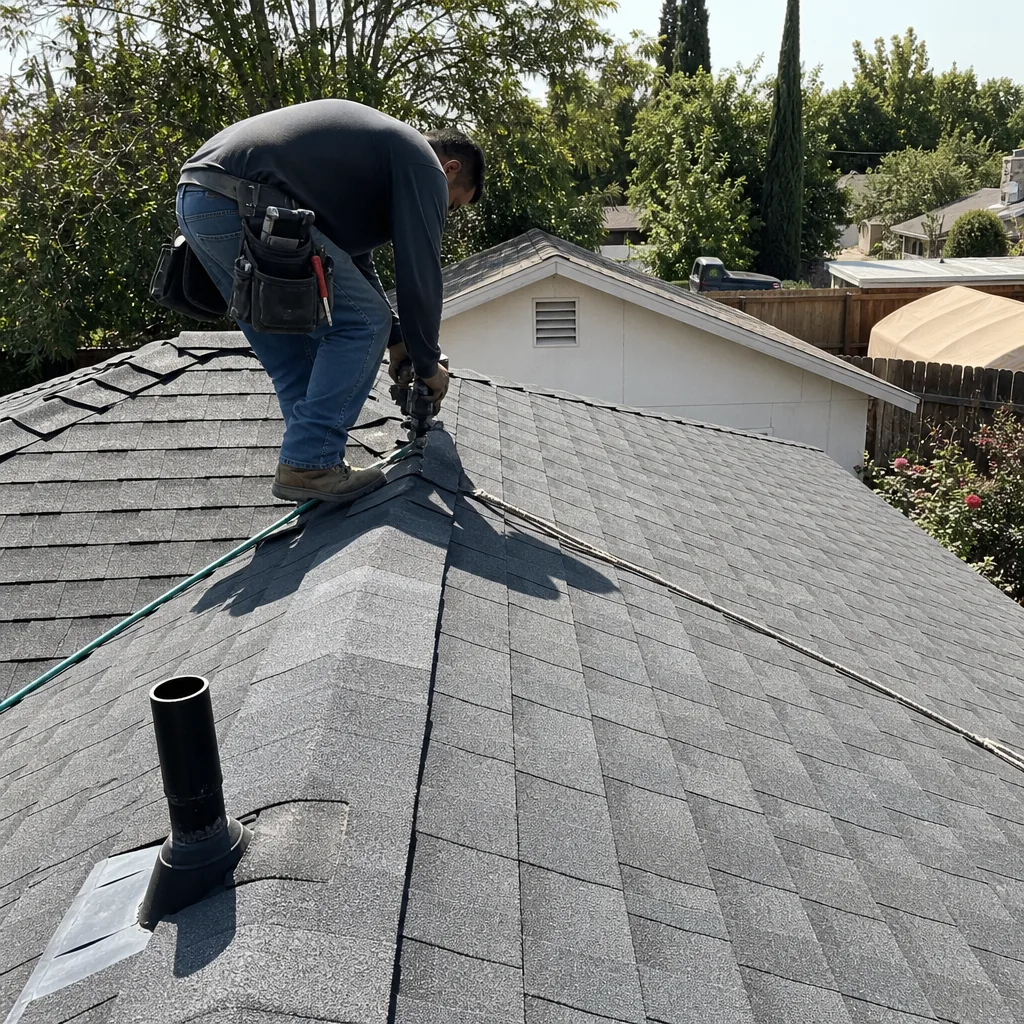 After
After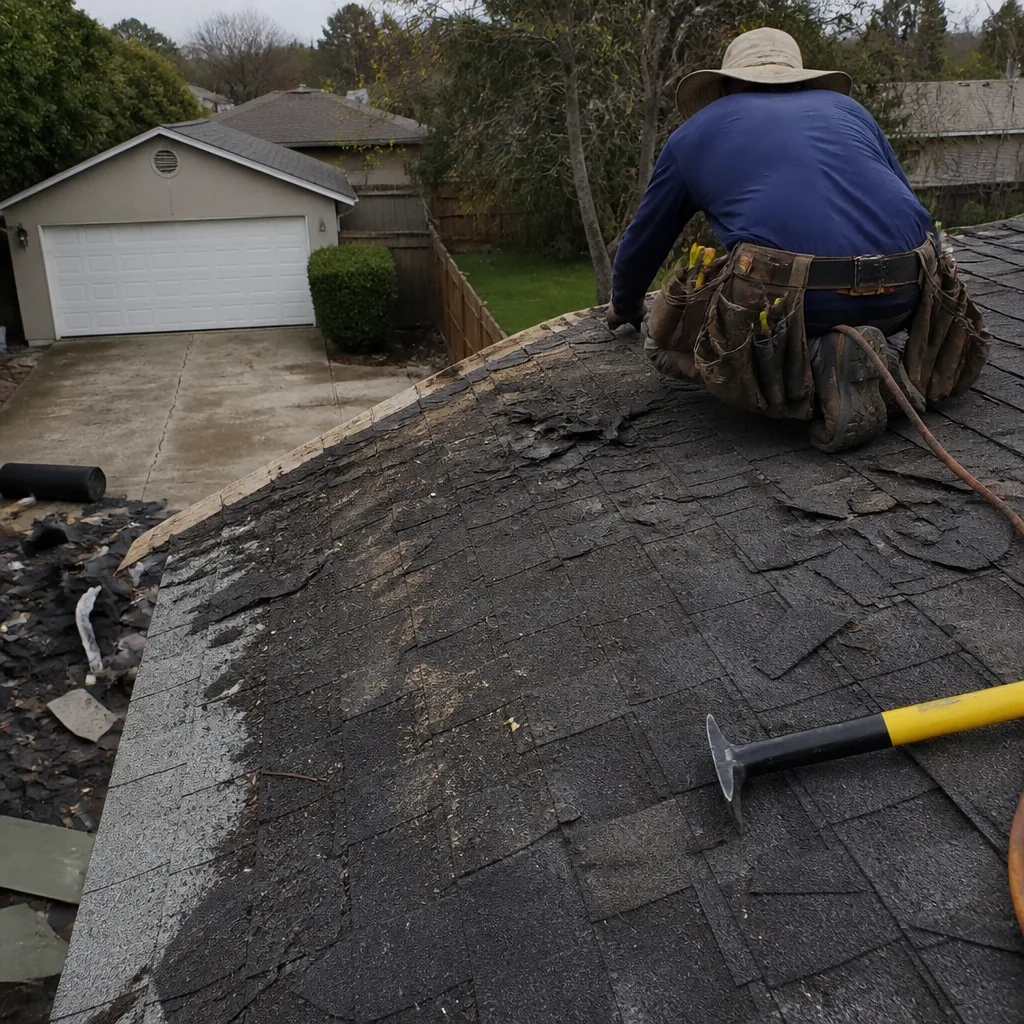 Before
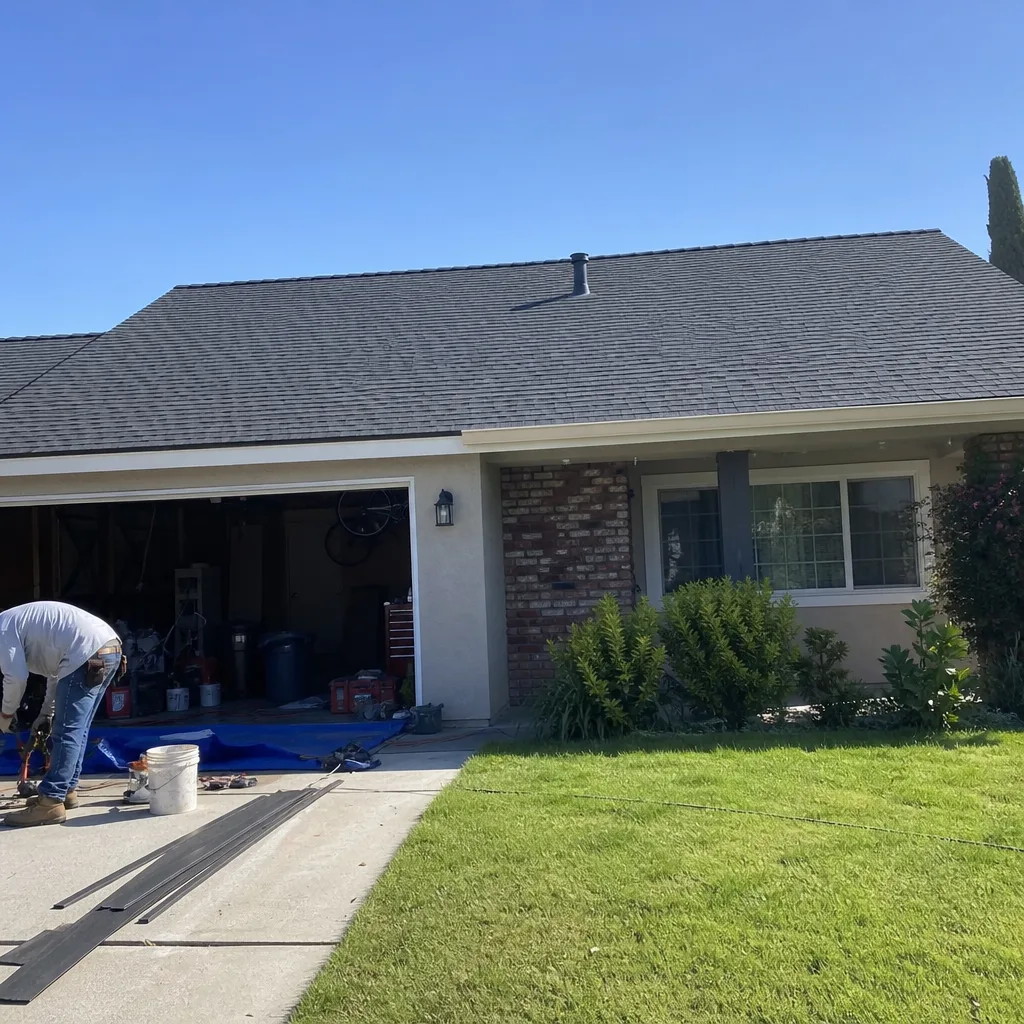 After
After