
Last updated October 17, 2026
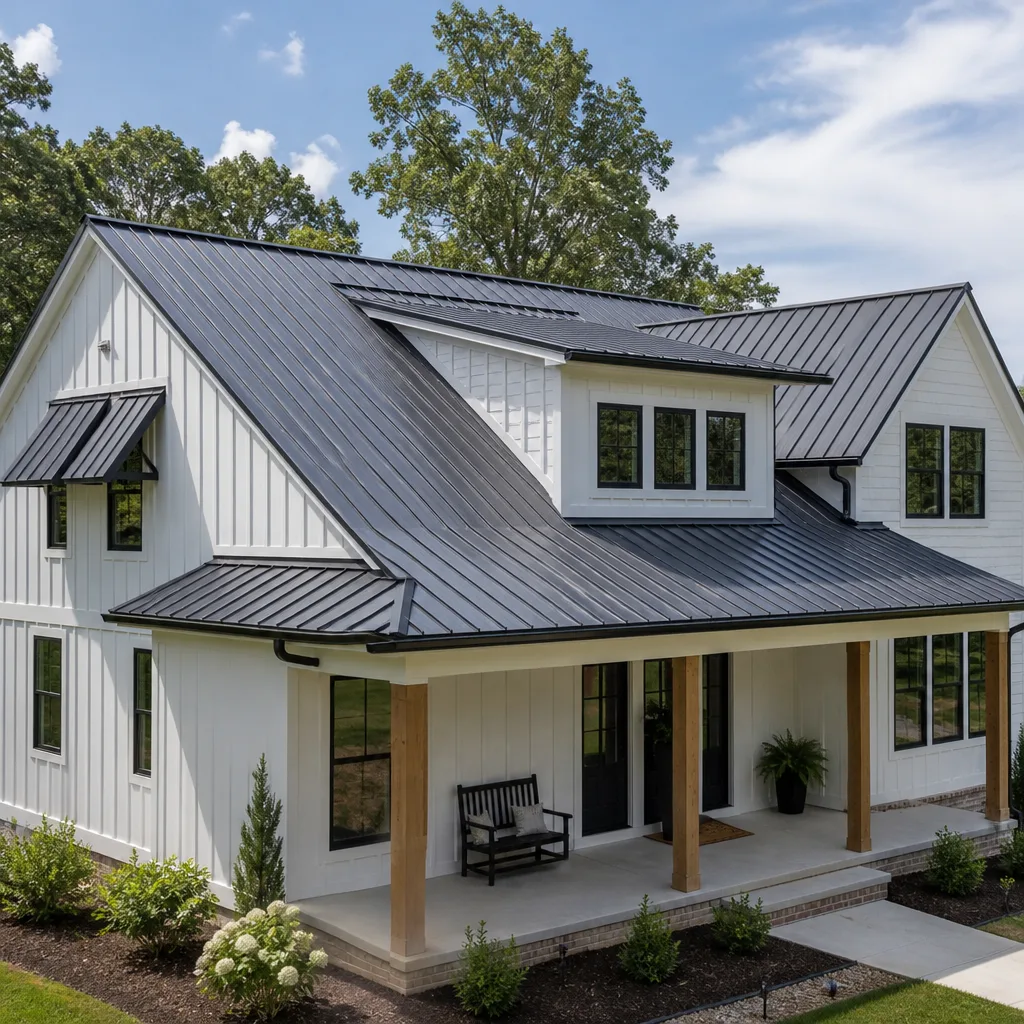 Metal roofing
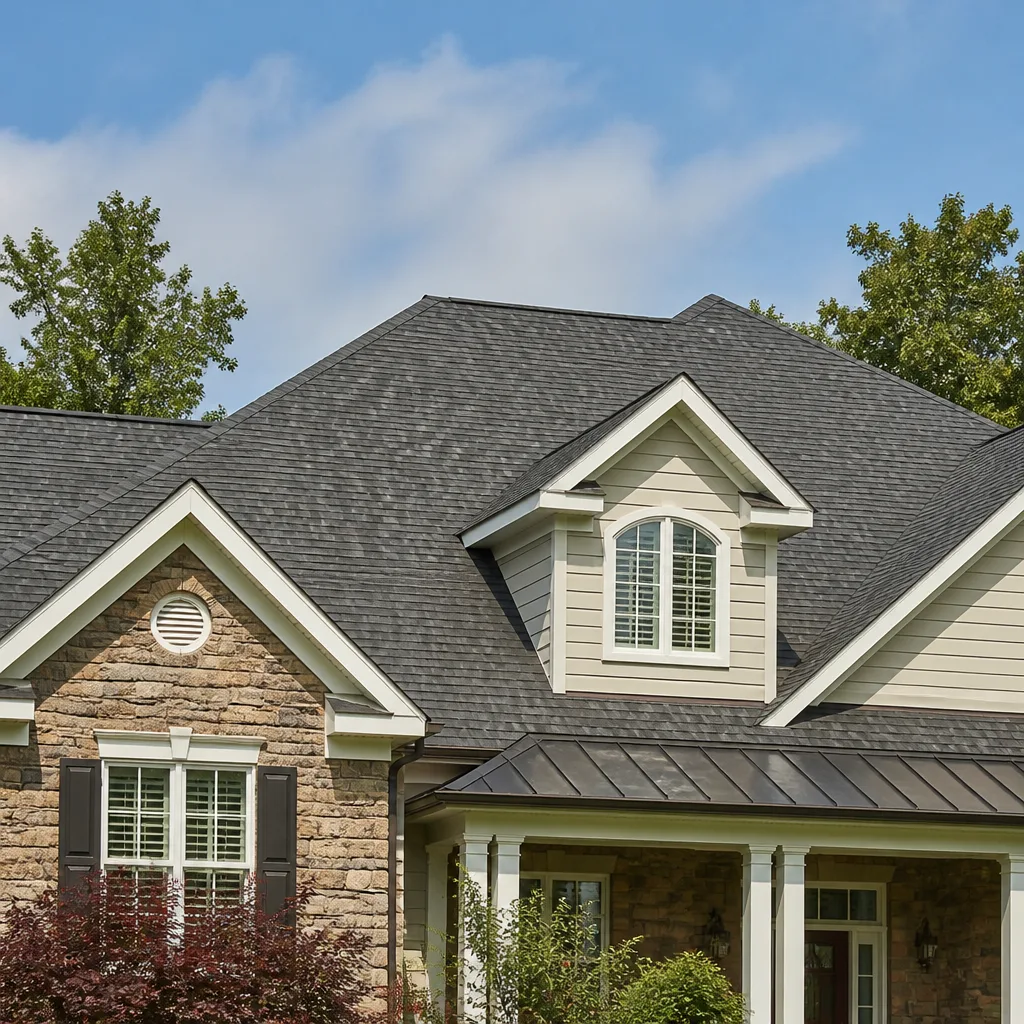 Architectural shingles
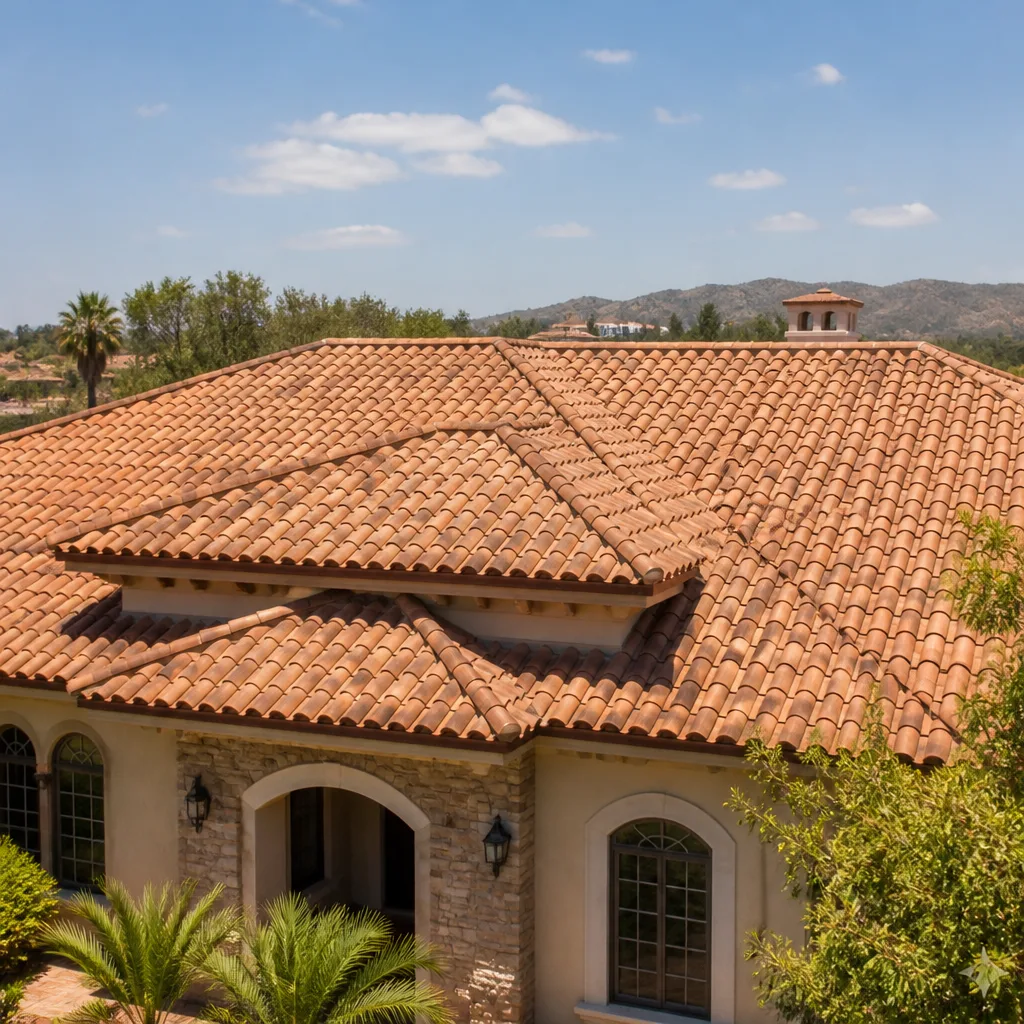 Tile roofing
 GAF
GAF Owens Corning
 Flat & low-slope
Free roof inspection with deck photos before we talk money - GAF and Owens Corning certified installation
Seasonal Roofing Care for Fresno: Year-Round Homeowner’s Guide
Fresno gets fewer than 12 inches of rain per year, but the Valley’s tule fog season delivers sustained ground-level moisture for weeks at a time. That fog settles on roof decks, saturates shingle underlayment, and corrodes fasteners faster than most homeowners realize. This guide lays out the real seasonal risk calendar for Fresno roofs: when to inspect, what to look for, and which maintenance moments actually matter in the Central Valley climate. For a deeper dive, see The Complete Guide to Roofing in Fresno.
Quick Answer
Seasonal roof maintenance in Fresno should follow the Valley’s actual weather calendar: inspect after tule fog season (January – February), prepare for heat expansion before June, clear gutters and valley flashing before November rains, and do a ground-level check after any freeze event. Most Fresno homeowners can handle the ground-level visual assessment themselves, but any sign of lifted shingles, cracked flashing, or granule loss warrants a professional inspection before the problem spreads. Not sure whether to DIY or call a pro? Read DIY vs Professional Roofing: The Fresno Homeowner’s Decision Guide.
Styles & brands we work with
Table of Contents
- The Real Fresno Roofing Calendar
- Why Tule Fog Is Harder on Fresno Roofs Than Rain
- Heat Season Prep: What Expands and What Dries Out
- Fall Pre-Rain Prep: Gutters, Valleys, and Flashing Points
- Ground-Level Seasonal Assessment: What to Check Without Climbing
- The Freeze Window: A Short Season That Leaves Lasting Damage
- Common Mistakes to Avoid
- When to Call a Professional
- Frequently Asked Questions
The Real Fresno Roofing Calendar
Most roofing content assumes four seasons that map to spring bloom, summer heat, fall leaves, and winter snow. Fresno doesn’t follow that script. A homeowner in Fresno who follows generic advice ends up inspecting the wrong things at the wrong times.
Here’s the calendar that actually applies to roofs in Fresno and across the San Joaquin Valley:
- January through February: Tule fog season peaks. Ground-level moisture hangs for days, sometimes weeks. Inspect for dark streaks on shingles, moss or algae starting along north-facing slopes, and any soft spots visible from the ground around roof edges.
- March through April: The short window between fog season and first heat spike. Best time for repairs because temperatures are stable and materials seat properly. If you’ve been putting off an inspection, this is the window.
- May through June: Heat ramp-up. Temperatures climb toward triple digits. Roof decking expands, sealant around flashing dries and cracks, and asphalt shingles become more brittle. Check for gaps around vent pipes and chimney flashing before the real heat arrives.
- July through September: Full heat season. No one wants to be on a roof above 100 degrees. Limit work to early morning and focus on ground-level observation: watch for shingle granules collecting in gutters or at downspout openings.
- October through November: Pre-rain prep. Clear gutters, check valley flashing, and verify that downspouts direct water away from the foundation. The first real rain usually arrives by late November in Fresno.
- December: The freeze window. Fresno sees brief overnight freezes that contract metal flashing and can crack older shingles. If a cold snap is forecast, inspect around roof penetrations afterward.
This calendar is not a suggestion. It reflects what we see across Fresno neighborhoods like Woodward Park, Tower District, Sunnyside, and Fig Garden every year. The homes that get inspected on this schedule show fewer leaks and fewer emergency repairs than the ones that wait for visible damage.
One note worth making: this guide is written from the perspective of a local Roofing Company in Fresno that has worked on Valley roofs since 2000. If you read nothing else, read the calendar above and commit it to memory.
Why Tule Fog Is Harder on Fresno Roofs Than Rain
Tule fog is the most underrated roofing threat in Fresno. A heavy rainstorm dumps water and moves on. Tule fog settles in and stays, often for ten or more consecutive days, keeping roof surfaces damp the entire time.
The problem is not the amount of moisture. It’s the duration. Shingle underlayment and wood decking absorb moisture slowly. When fog keeps a roof at 90 to 100 percent humidity for weeks in January and February, wood rot accelerates in a way a single storm never causes. Fasteners corrode. Algae and moss find a foothold on north-facing slopes that never fully dry.
Here’s what to look for after fog season breaks, visible from the ground with binoculars:
- Dark streaks on shingle surfaces: This is algae growth, not dirt. It feeds on the limestone filler in asphalt shingles and spreads across the roof surface. Common in Fresno on homes with heavy tree cover or north-facing sections.
- Green patches near the eaves or in valleys: Moss takes holds where moisture lingers longest. Moss lifts shingle edges and traps additional moisture underneath.
- Rust-colored stains around nail heads or flashing: This indicates fastener corrosion, which is accelerated by the sustained dampness of fog season.
- Soft or sagging sections along the roof edge: From the ground, look for any line that is not straight along the roofline. A slight dip can indicate decking rot underneath.
We inspect roofs in Fresno every spring that show fog damage the homeowner never noticed. The most common scenario is a north-facing slope in an older neighborhood like Tower District or the side streets off Fruit Avenue where mature trees shade the roof and the fog never fully burns off. By the time water shows up inside the house, the decking underneath has been rotting quietly for a season or more.
If fog season has ended and you spot any of the indicators above, get a professional evaluation. A Roof Inspection in Fresno after fog season identifies problems while they’re still inexpensive to fix. Waiting until the problem is visible from the ground usually means the damage has already spread under the shingles.
Heat Season Prep: What Expands and What Dries Out
Fresno heat is not like heat in Phoenix or Las Vegas. It arrives fast, stays for months, and pairs with occasional monsoon moisture that hits a superheated roof surface. The thermal cycle a Fresno roof endures, from 35 degrees on a winter night to 140 degrees on a July afternoon, is one of the widest in the country.
Here’s what actually happens on a roof when Fresno temperatures push past 100:
- Asphalt shingles become more brittle. Walking on them causes cracks at the worst possible time. Repairs scheduled for the heat season should be early morning, when the surface is still cool.
- Metal flashing expands. The joint between flashing and roofing material opens and closes with every thermal cycle. Sealant that was flexible in spring dries out and cracks by August.
- Vent pipe boots and rubber seals crack. These are the rubber collars around pipes that penetrate the roof. UV exposure plus heat dries the rubber until it splits. This is one of the most common leak sources we repair in Fresno.
- Wood decking dries and contracts. This can widen gaps that let water in when the first fall rain arrives.
Before temperatures hit triple digits, walk the perimeter of your home and check these specific points with binoculars:
- Vent pipe boots: Look for visible cracks, gaps, or sections where the rubber has pulled away from the pipe.
- Chimney flashing: Look for sealant that has turned white, chalky, or is peeling away from the brick or siding.
- Ridge cap shingles: The cap runs along the peak. Heat affects caps first because they get sun on both sides.
- Painted metal valleys: Check for rust spots or separation where valley metal meets shingle edges.
If you find gaps or cracks during this pre-heat check, the fix is not urgent in the way a leak is urgent, but it becomes urgent the moment rain arrives in November. A cracked vent boot that sits through summer will be an active leak by winter.
Materials matter in Fresno. The roofs that hold up best in this climate are installed with heat-resistant materials from manufacturers like GAF and Atlas. These are not the cheapest options, but they’re the ones that hold up through repeated Fresno heat cycles without cracking and granule loss.
Fall Pre-Rain Prep: Gutters, Valleys, and Flashing Points
Fresno’s rain arrives in a narrow window, usually between late November and early March. When it comes, gutters that have been sitting dry for nine months suddenly carry the entire load of a Valley storm. This is when clogged gutters and loose flashing stop being cosmetic issues and become water-damage problems.
The fall prep checklist for a Fresno roof is not long, but every item matters:
- Clear gutters completely. Fresno’s trees drop leaves, pine needles, and seed pods through October and November. Wait until the majority of leaves have fallen before clearing, or you’ll be doing the job twice.
- Check downspout outlets. A downspout that drains against the foundation is as damaging as a clogged gutter. Extensions should carry water at least three feet from the house.
- Inspect valley flashing. Valleys are the V-shaped channels where two roof planes meet. They carry the highest water volume of any point on the roof. Look for lifted flashing, visible gaps, or missing shingle sections.
- Check all roof penetrations. Pipes, vents, chimneys, and skylights are all potential leak points. Check the sealant around each and verify the flashing is seated against the roof surface.
- Trim branches that touch the roof. Overhanging branches scrape shingles and deposit organic material. They also create a bridge for rodents and a collection point for leaves.
This is the single most important maintenance moment of the year for a Fresno roof. A roof that starts the rainy season clean and sealed will almost always make it through without issues. A roof with clogged gutters and cracked flashing starts the season with a handicap.
One specific tip for Fresno homeowners: check the gutters on the north side of the house first. During tule fog season, those gutters stay damp longer and collect more organic material. They clog faster and rot faster than gutters on other elevations.
Ground-Level Seasonal Assessment: What to Check Without Climbing
Most roof problems are visible from the ground if you know what you’re looking for and use basic binoculars. You do not need to climb a ladder to do a meaningful seasonal assessment.
Here’s how to do a ground-level roof assessment in Fresno, organized by what you’re checking and what it tells you:
What to check from the street or sidewalk:
- Overall roofline: Walk to a spot where you can see the roof edge against the sky. Look for any line that is not straight. A sag, dip, or wave indicates decking damage or structural movement.
- Shingle uniformity: Shingles should look even across the entire roof surface. Patchy areas, mismatched colors, or sections that look flatter than others signal past repairs or aging.
- Ridge cap alignment: The cap along the peak runs should sit straight. Twisted or lifted caps indicate seal failure.
What to check with binoculars:
- Granule loss: Look for sections where the shingle surface looks smooth or patchy instead of uniformly textured. Granules protect the asphalt layer from UV. When they’re gone, the shingle fails fast.
- Flashing gaps: Around pipes, chimneys, and walls, look for any visible gap between the flashing and the roof surface or the penetration.
- Lifted shingles: On windy days in the Valley, watch for shingles that move or rattle. A shingle that lifts in wind has lost its seal and will eventually blow off.
- Algae or moss streaks: As covered in the fog section, dark streaks are organic growth, not dirt, and they indicate persistent moisture.
If you see any of these signs during a ground-level check, that’s the moment to call for a professional evaluation. A Roof Repair in Fresno that starts with a thorough inspection catches small problems before they become interior water damage.
Doing this check four times a year, aligned with the calendar earlier in this guide, takes about 15 minutes per season. That’s enough to catch most problems at the stage where they’re affordable to fix.
The Freeze Window: A Short Season That Leaves Lasting Damage
Fresno’s freeze window is brief, usually a handful of nights in December and January, but it creates a specific type of damage that differs from anything else on the calendar.
When temperatures drop below freezing, metal flashing contracts. Shingles that have been baking in summer and loosened through the fall contract again. The repeated expansion and contraction cycle weakens sealant bonds and opens hairline cracks around roof penetrations. These cracks are invisible from the ground and rarely leak during the freeze itself because there’s no moisture on the roof. The leak appears weeks later, when the first rain hits.
After a freeze event, homeowners in Fresno should check specifically for:
- Lifted flashing edges around chimneys, vent pipes, and wall intersections
- Shingles that no longer lie flat along the eaves or in valleys
- Ice buildup along the roof edge, which signals poor attic insulation or ventilation
- Cracked ridge caps where water can enter at the peak
The good news for Fresno homeowners is that the freeze window is short and the damage threshold is lower than in colder climates. A roof that was inspected and sealed in fall will almost always handle a Valley freeze without issues. The houses that see freeze damage are the ones that skipped fall prep.
Common Mistakes to Avoid
- Waiting to see a leak before acting. By the time water reaches the ceiling, the decking has been wet for weeks or months. Interior stains are a lagging indicator of a problem that started outside long before.
- Cleaning gutters too early in the fall. Fresno’s leaf drop runs through November. A gutter cleaned in October is often clogged again by December. Time the cleaning for after the trees have finished dropping.
- Ignoring north-facing sections. The north slope stays damp through fog season and dries last after rain. It’s where algae, moss, and wood rot show up first in Fresno.
- Patching over flashing instead of replacing it. Caulk over a failed flashing joint is a temporary fix that fails within a season. The flashing itself needs to be reset or replaced.
- Walking on the roof in Fresno heat. Shingles above 100 degrees are brittle and crack under foot traffic. If inspection requires roof access, do it early morning or wait for a cooler day.
- Skipping the post-fog inspection. Fog damage is slow and quiet. A roof that looks fine in March can have hidden decking rot by the time rain exposes it in November.
- Assuming a new roof needs no maintenance. New roofs fail less often, but flashing, vents, and sealants age on their own schedule. A new roof with a failed vent boot leaks just as badly as an old one.
When to Call a Professional
Some roof issues can be handled by a careful homeowner. These are quick fixes: cleaning a gutter, trimming an overhanging branch, noting a stain to watch next season. But there are specific situations where a professional is the right call in Fresno.
Call a professional if you see lifted or missing shingles after a wind event, if you spot water stains on interior ceilings or attic framing, if the roof is over 15 years old and has not been inspected, or if fog season ends and you see significant algae or moss growth on the roof surface. Also call if a freeze event leaves visible cracks around flashing points or if you’re uncomfortable with any of the ground-level checks described in this guide.
Brennan Roofing Co Fresno offers free estimates in Fresno. Call (559) 785-2160 and a real person answers, around the clock. We’ll give you a written price before any work starts, and that number does not move at the door. Learn more at our Brennan Roofing Co Fresno home page.
Frequently Asked Questions
A basic roof inspection in Fresno typically runs between $150 and $350, while a professional gutter cleaning ranges from $120 to $250. Minor repairs like resealing a vent boot or replacing a section of flashing usually fall between $200 and $500. The exact cost depends on roof size, pitch, and the condition of the roof, and any estimate should be in writing before work begins.
Inspect your roof at least twice a year in Fresno, once after fog season ends in late winter and again before the November rains begin. Homes with mature tree cover or north-facing slopes benefit from two additional checks, one before heat season and one after the freeze window. A thorough ground-level assessment with binoculars takes about 15 minutes and catches most problems early.
Yes. Tule fog keeps roof surfaces damp for weeks, which accelerates wood rot and fastener corrosion even when no water penetrates the interior. The damage happens silently in the decking and underlayment. Many Fresno roofs that look fine from the ground show hidden rot when shingles are pulled back for repair. This is why a post-fog inspection matters even for roofs that have never leaked.
The 365-Day Done Right Promise applies to every repair and installation Brennan Roofing performs, in writing, for one full year. If a repair fails within that period, we return and fix it at no charge. Seasonal maintenance visits themselves are separate services, but any work performed during those visits carries the same written guarantee.
The best windows for roof replacement in Fresno are March through April and October through early November. These periods offer stable temperatures that allow shingles and sealants to seat properly without the brittleness of summer heat or the dampness of fog season. Summer replacements are possible with early morning scheduling, but material handling requires extra care above 100 degrees.
No. Brennan Roofing gives every homeowner a written price before any work begins, and that number does not move at the door. If an inspection uncovers additional damage like rotted decking, it’s quoted and approved in writing before work proceeds. There are no change orders and no surprise charges after the fact. Call (559) 785-2160 to schedule a free estimate.
The Bottom Line
Fresno’s roof risk calendar runs on tule fog, heat ramp-up, monsoon moisture, and a short freeze window, not the generic four seasons most roofing advice assumes. The homeowners who stay ahead of problems are the ones who check their roofs on the Valley calendar: after fog season, before triple-digit heat, before the November rains, and after any freeze event. Most of these checks can be done from the ground with binoculars, and the ones that require a professional are worth doing before a small crack becomes a ceiling stain. A roof that gets checked on this schedule lasts longer, leaks less, and costs less to own over time. For more guides & resources on protecting your Fresno home, visit our blog.
Written by Travis Oakley, Owner at Brennan Roofing Co Fresno, serving Fresno since 2000.
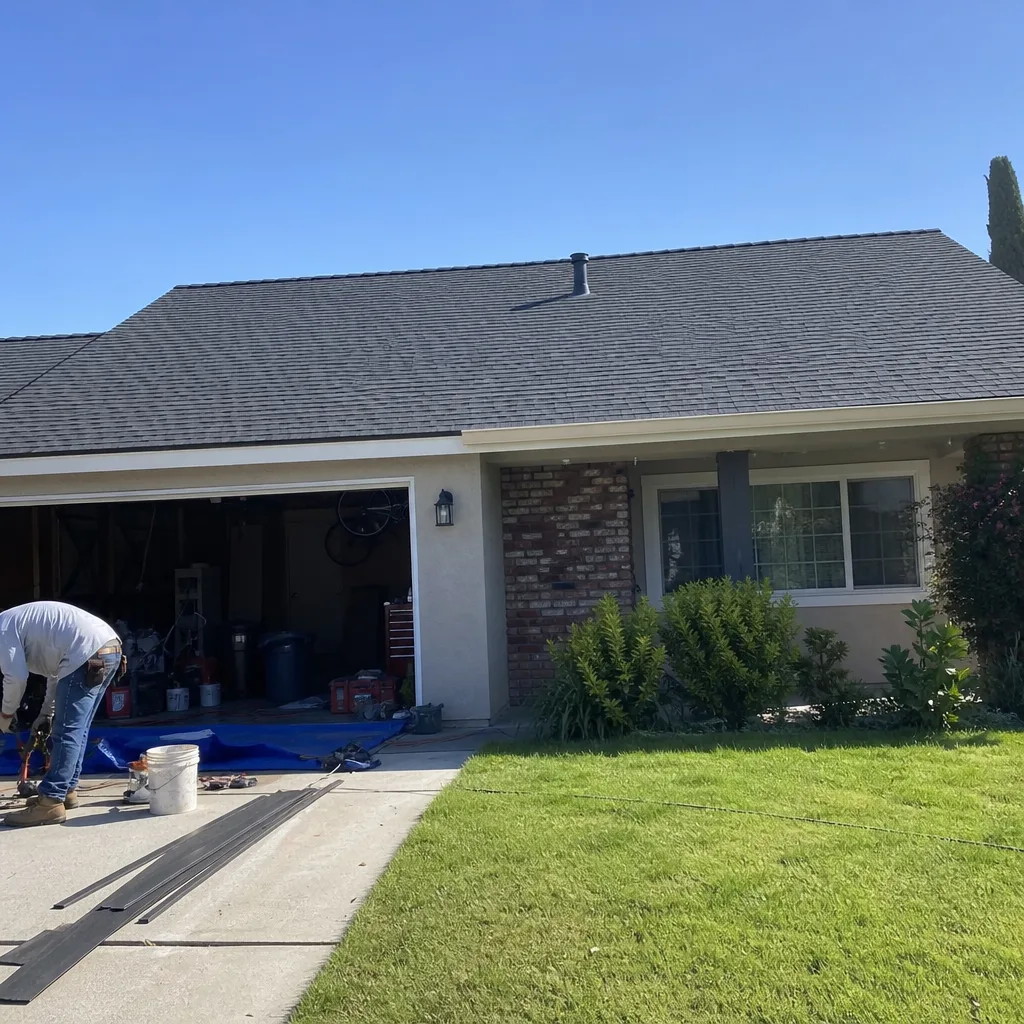
See the difference
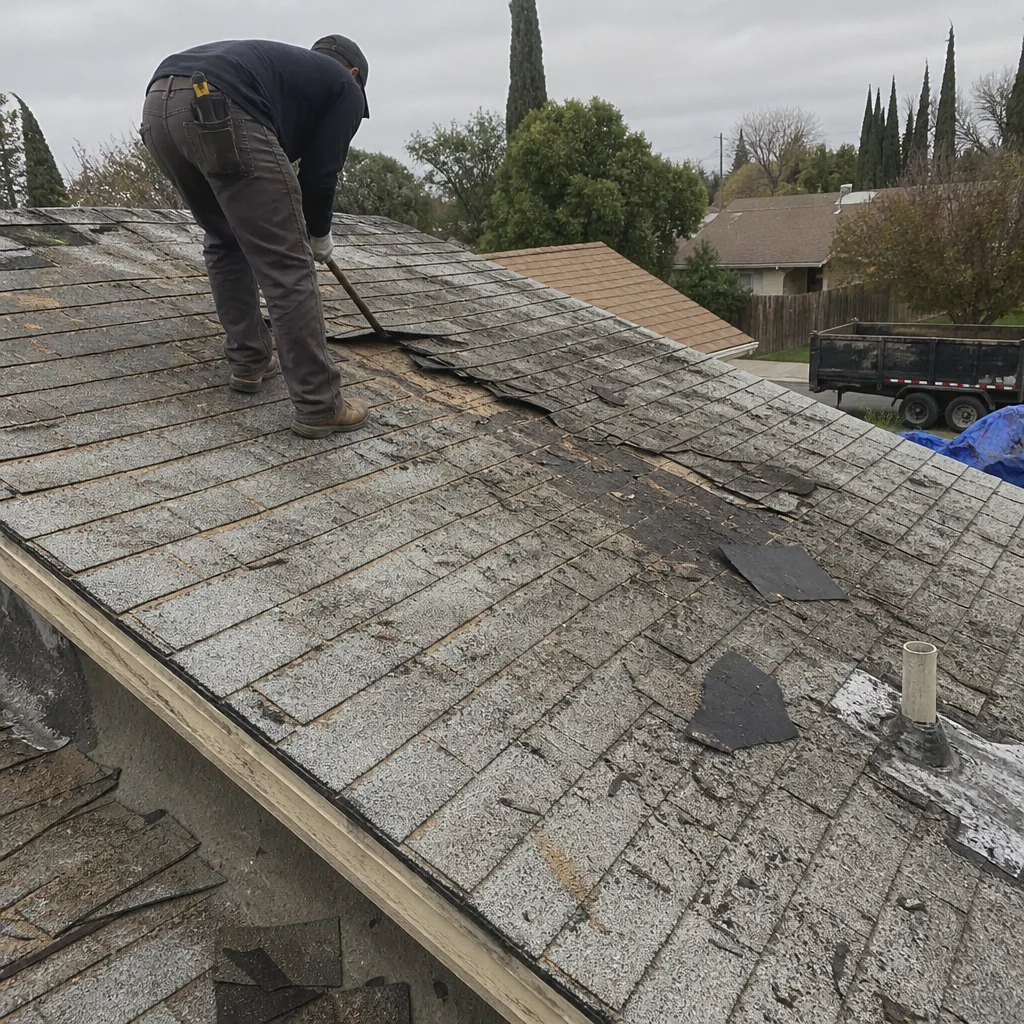 Before
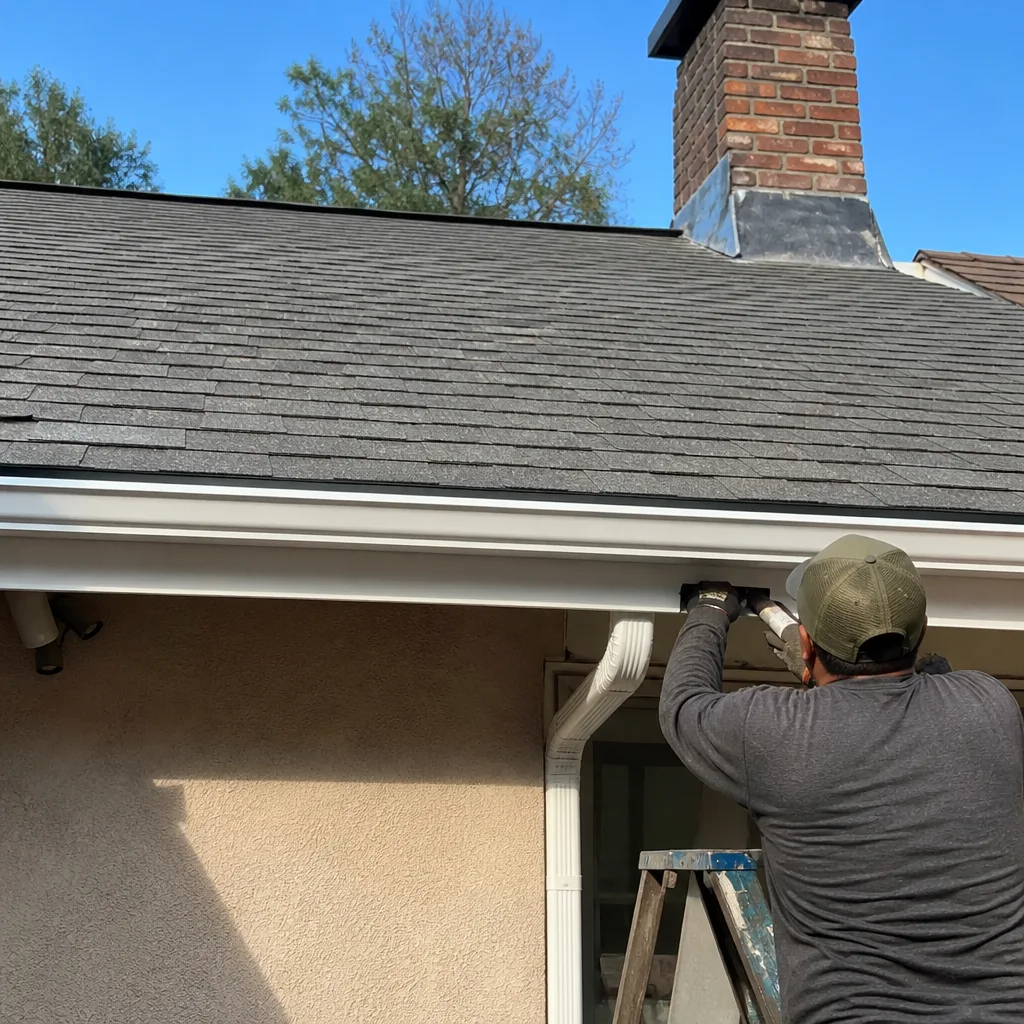 After
After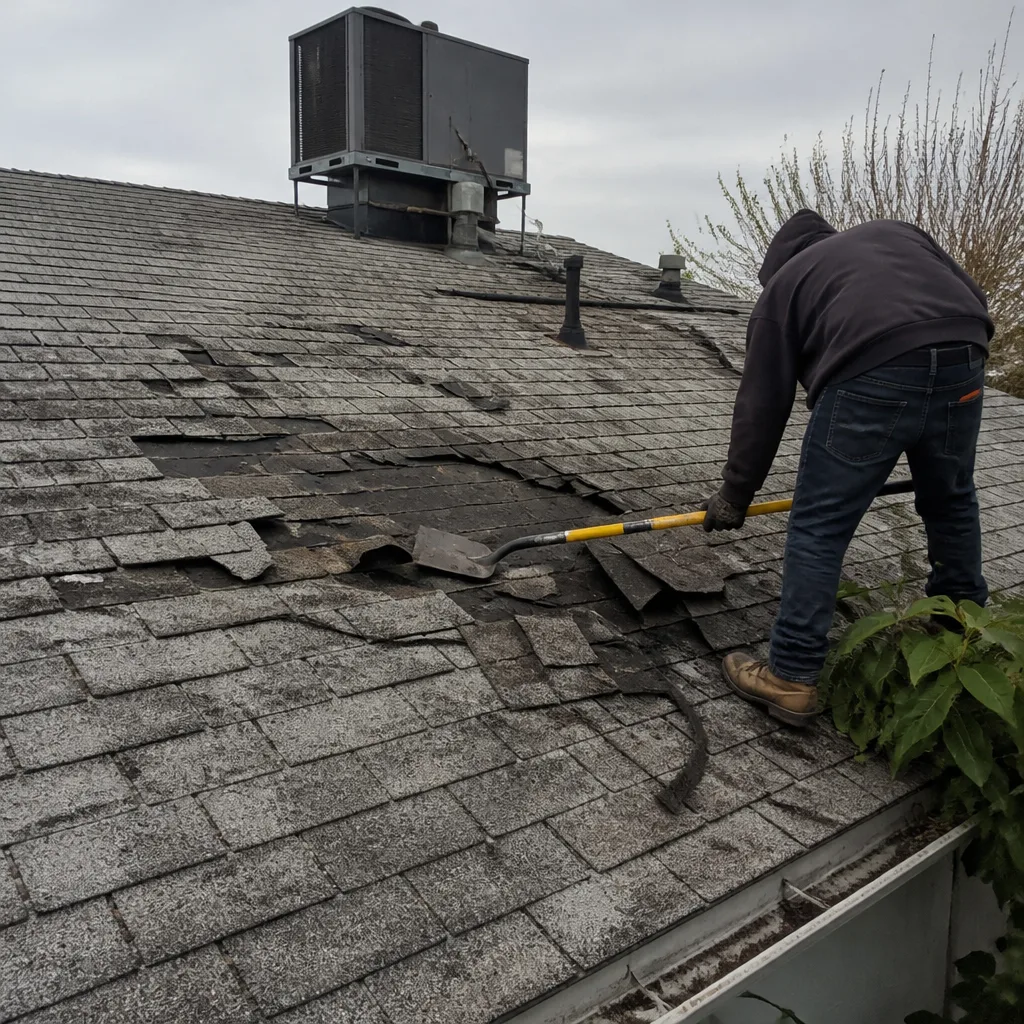 Before
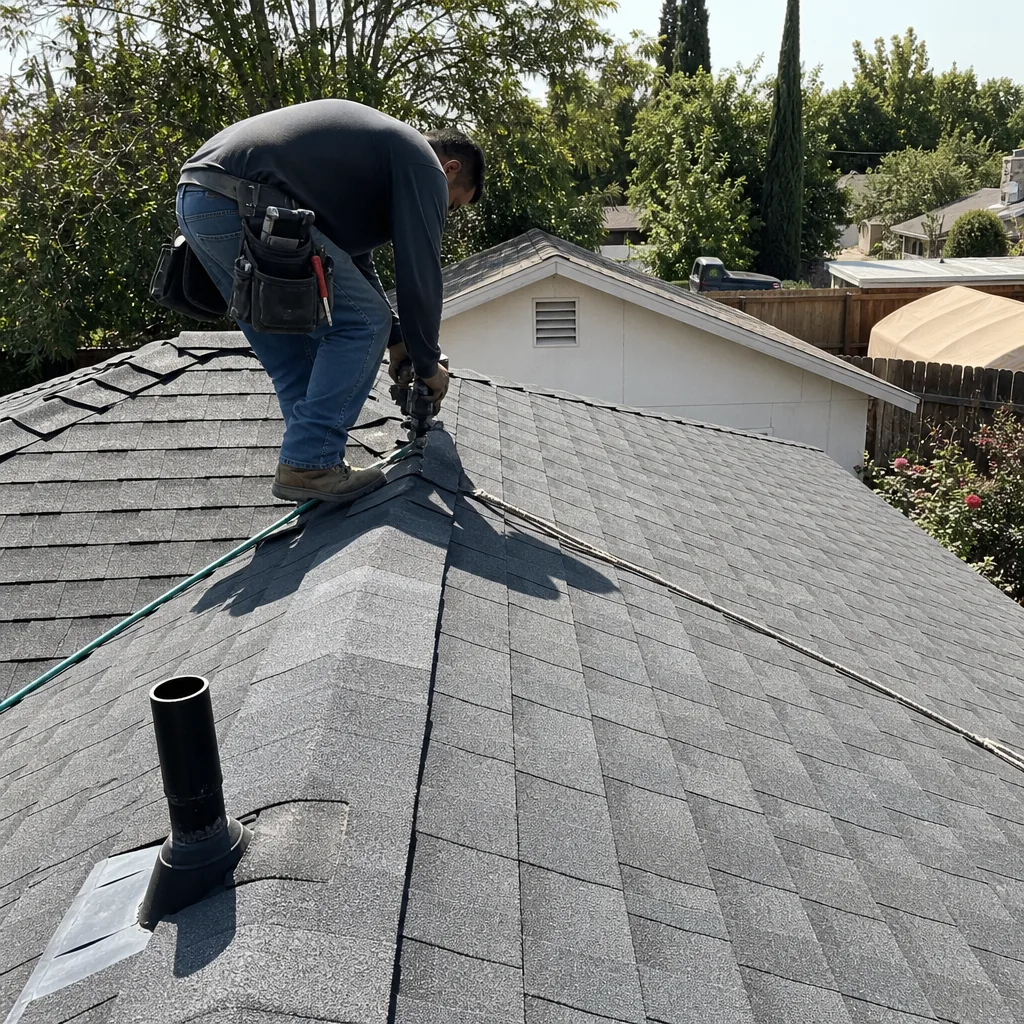 After
After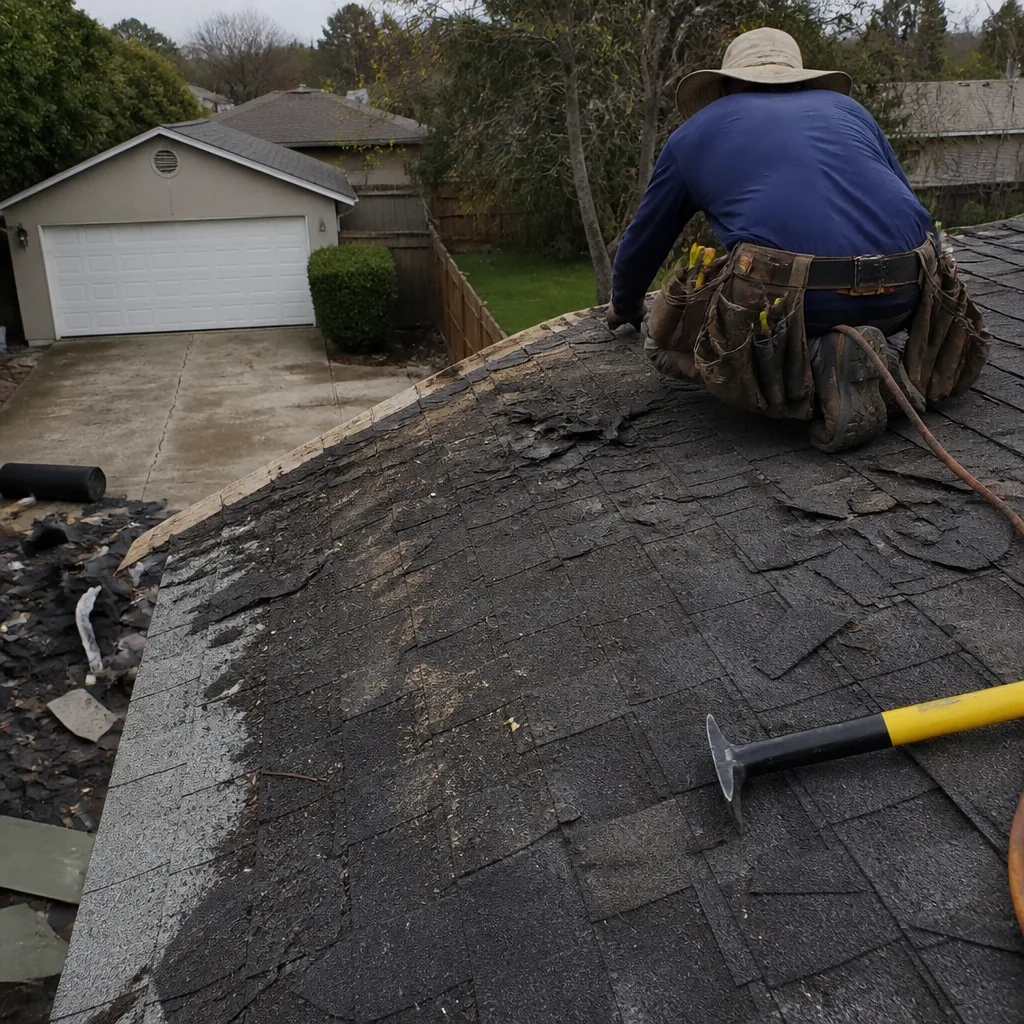 Before
 After
After